
Kidnapped by the Khmer Rouge: The 1994 Kampot Train Attack
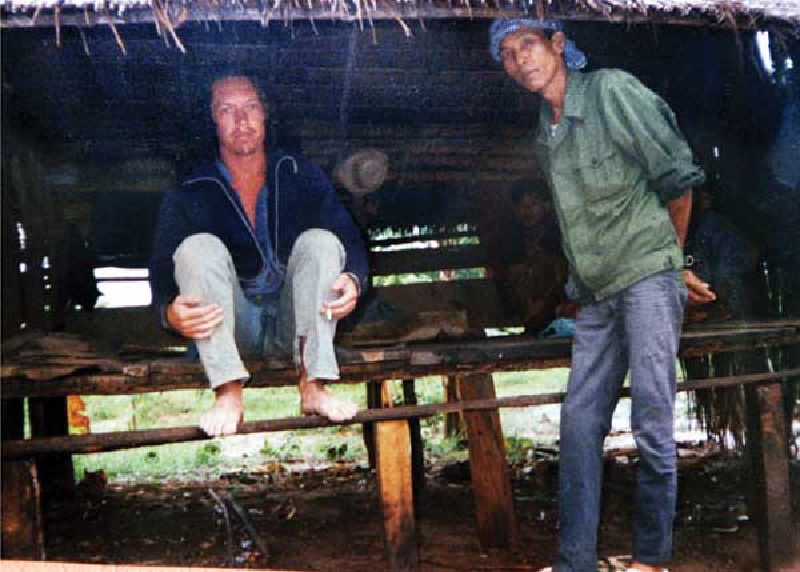
In July 1994, three backpackers took a train from Phnom Penh to Sihanoukville. It was a journey that would lead them into the heart of a Khmer Rouge stronghold in Kampot Province.

A quick coastal escape from Kampot for crab market seafood, sea views, a national park walk, and an easy boat to Rabbit Island.
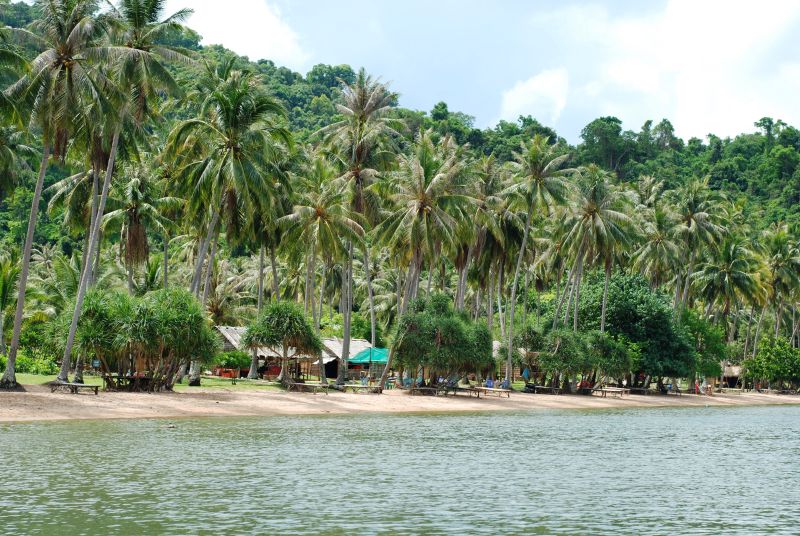
The name Kep is usually traced to the Khmer word for saddle, a reference to the rocky hills that give the headland its profile. Before the French arrived, it was a Hainan Chinese trading and pepper-growing settlement. The French opened a coastal bungalow station here in 1908, and by the 1950s and 60s Kep had grown into a fashionable resort for Cambodia’s ruling class. The modernist villas from that era still line the waterfront, most abandoned, some slowly coming back. Today it is quieter: fresh crab at the market, a national park loop above the coast, a stretch of beach worth sitting on, and an easy boat to Rabbit Island when you want to stay longer.
A half day is enough for the crab market, a walk on the beach, and the Sunset Rock stretch of the national park trail. That covers the main stops with time to sit and eat properly.
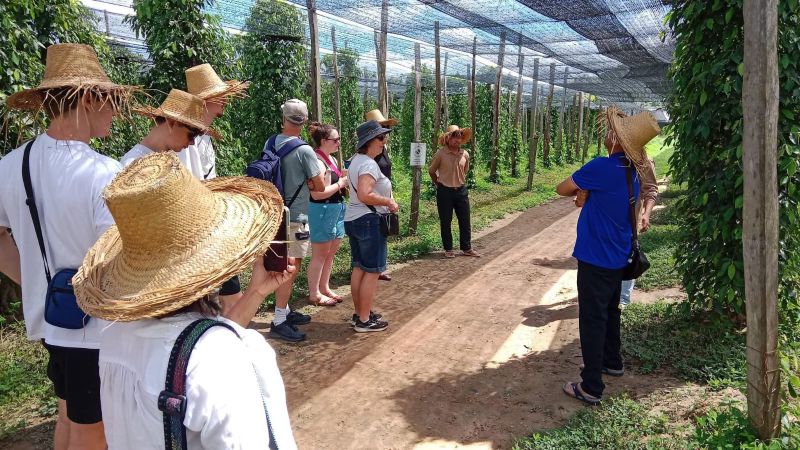
I’d suggest a full day if you want to add Rabbit Island, the Kep Adventure Park, or a stop on the way back at the salt fields or pepper farms. Factor in at least a half-day for Rabbit Island, including the short boat crossing from Kep pier.
If the goal is a slow day by the coast rather than a series of stops, Kep works better as an overnight than a rushed full-day trip from Kampot.
The crab market is the main draw for most visitors. Fresh crab with Kampot pepper is the standard order, and it is worth sitting at one of the stalls rather than rushing. The market is busiest at lunch.
The Kep National Park trail is an 8km loop with elevated views over the coast and the islands. It is easy going in dry season and muddy in the rainy months. Allow two to three hours for the full loop, or turn back at Sunset Rock for a shorter walk.
Kep beach is a good place to slow down. Calm, close to the crab market, and easy to combine with a long lunch.
A boat to Koh Tonsay (Rabbit Island) leaves from the pier near the crab market. It is a short ride to a quiet beach with hammocks and basic food. Better suited to people with most of a day than a quick half-day trip.
Kep Adventure Park is a high ropes and zip line course through 21 large trees on Kep Mountain, with views over the water, occasional monkeys, and a cafe at the end. Around an hour and a quarter, good value for families or anyone who wants something more active.
Vipassana Dhura Kep (វត្តសមាធិ) is a meditation pagoda set in peaceful grounds above the town, a quiet place to sit and meditate on your own.
The Kep salt fields are smaller than the salt fields near Kampot but carry a harder history. The area was used as a Khmer Rouge forced labour site, and a rare film was made here that captures what it looked like then. You can watch it on YouTube before you visit, which makes the then-and-now comparison worth sitting with. The fields are only active in the dry season.
The crab market and national park are open year-round. The national park trail gets slippery in heavy rain but is still walkable in most of the wet season.
Rabbit Island boats do not always run in rough weather, which is most likely between October and November. If that is the main reason for the trip, it is worth checking conditions before you go.
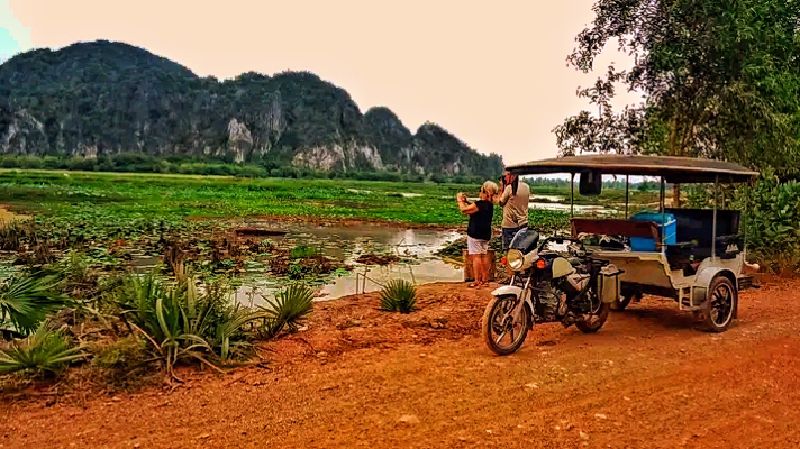
The drive from Kampot passes the salt fields, which are most active and most photogenic in the dry season, roughly January to May.
Kep works well as an overnight. If you want an early start at the crab market, a full day on Rabbit Island, or a slower coastal pace away from Kampot, it makes more sense than cramming it into a long day trip.
It is also a short way from the cave temples at Kampong Trach, which makes a combined overnight easy.

Kampot, as locals see it.
There's more to Kampot than you expect.
Discover Kampot is made by people who live here. Read local stories, find somewhere new to go, or choose a local experience.
Further reading
In July 1994, three backpackers took a train from Phnom Penh to Sihanoukville. It was a journey that would lead them into the heart of a Khmer Rouge stronghold in Kampot Province.
What is the colourful flag you see everywhere in Cambodia?
The multicoloured flag is the International Buddhist Flag. First invented in 1885 in Sri Lanka, it was officially adopted as the International Buddhist Flag in 1950 at the World Fellowship of Buddhists.