Kampong Trach: Kampot's Best Kept Secret
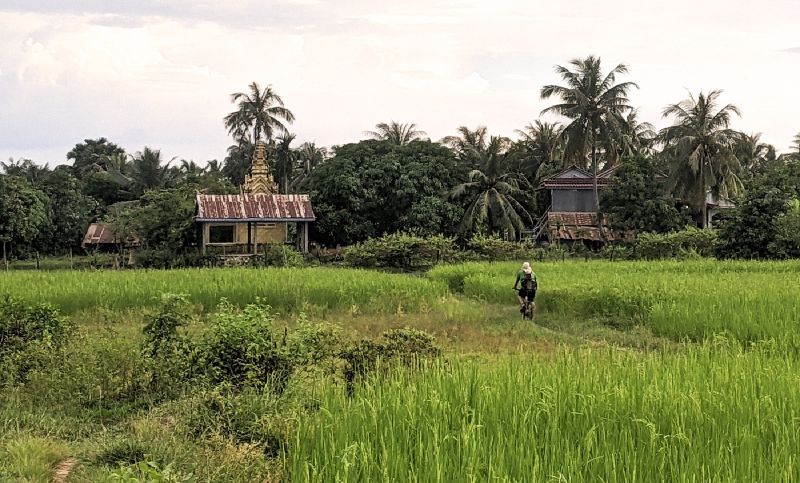
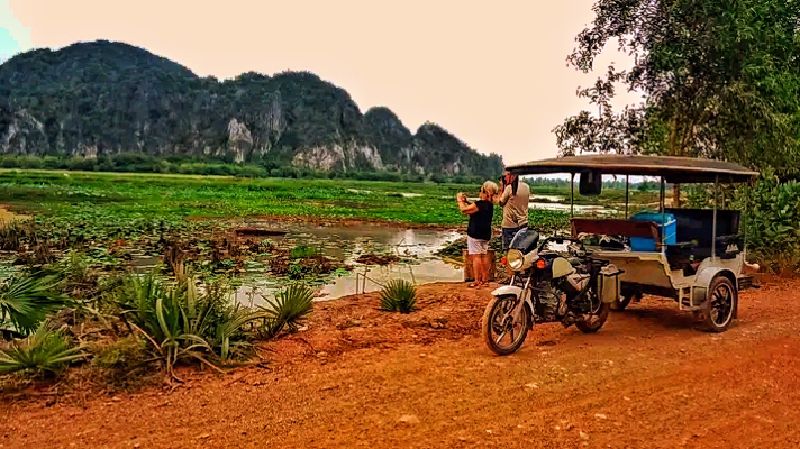
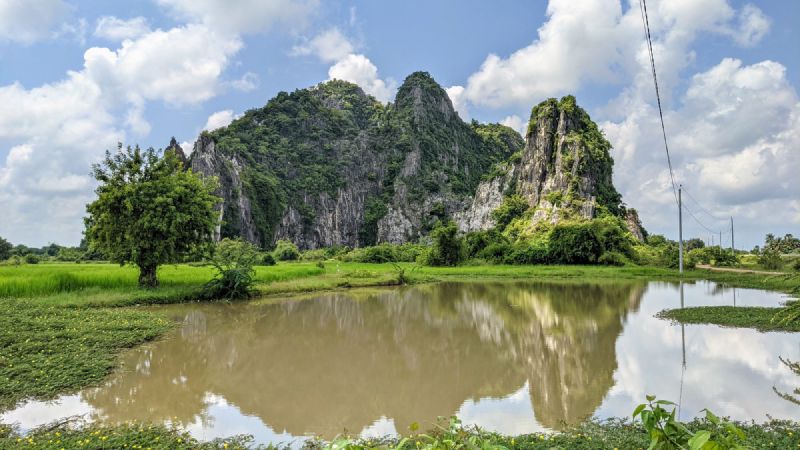
Forty kilometres from Kampot, the small town of Kampong Trach sits among dramatic limestone hills, jungle caves, rice fields, and almost no other tourists.

Pre-Angkorian cave temples and cave trips just beyond Kampot.
The cave-temple landscape around Kampot is one of the easiest ways to see how geology, worship, and local history overlap here. The nearby sites are close enough to combine with a pepper farm visit, with the classic Phnom Chhnork cave temple and Phnom Kbal Romeas both fitting that shorter loop. For a bigger day trip, Kampong Trach is the one to choose for more dramatic caves and a more impressive cave network. In several of these caves, the natural rock formations are part of what makes the place special, alongside ancient Hindu shrines built into the limestone. Some stops are simple shrine visits, while others add viewpoints, bats, pools to swim in, caves to paddle through, or even jungle-like chambers with monkeys overhead.

Kampot, as locals see it.
There's more to Kampot than you expect.
Discover Kampot is made by people who live here. Read local stories, find somewhere new to go, or choose a local experience.
Further reading
Forty kilometres from Kampot, the small town of Kampong Trach sits among dramatic limestone hills, jungle caves, rice fields, and almost no other tourists.
Kampot has more going on than most visitors ever discover. Here's where to look.
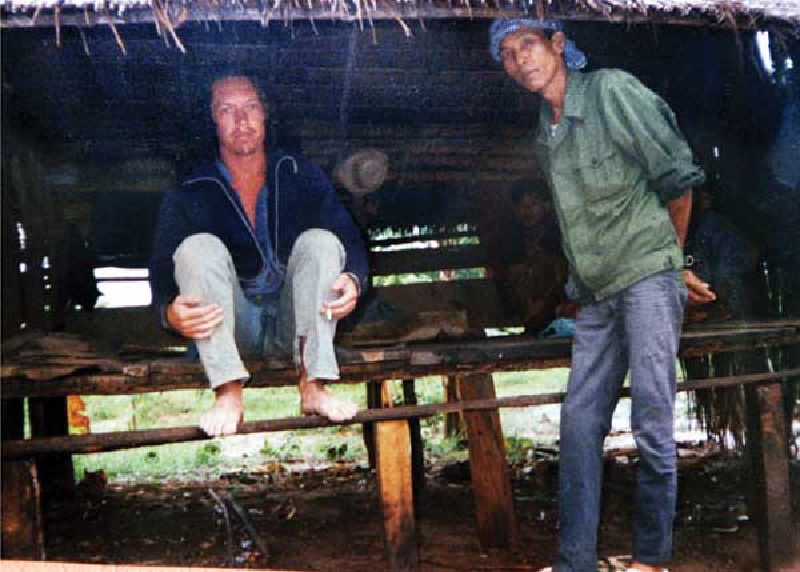
In July 1994, three backpackers took a train from Phnom Penh to Sihanoukville. It was a journey that would lead them into the heart of a Khmer Rouge stronghold in Kampot Province.
Are monks vegetarian?
Not in the Theravada tradition. Buddha was asked if monks should be vegetarian and he said no, it's not required. A monk should not eat meat if they have seen, heard, or suspect the animal was killed specifically for them. But monks have to beg for their food so, if someone shares their food, a monk may not refuse it, even if there is meat in it.