The History of Bokor Mountain
Before Bokor became a colonial hill station, it was a mountain of local names, warnings, and stories: visible from Kampot, but still outside the world the French thought they understood.

A high 1,000-metre plateau of mist, historic French ruins, royal retreats, and panoramic views above the Gulf of Thailand.
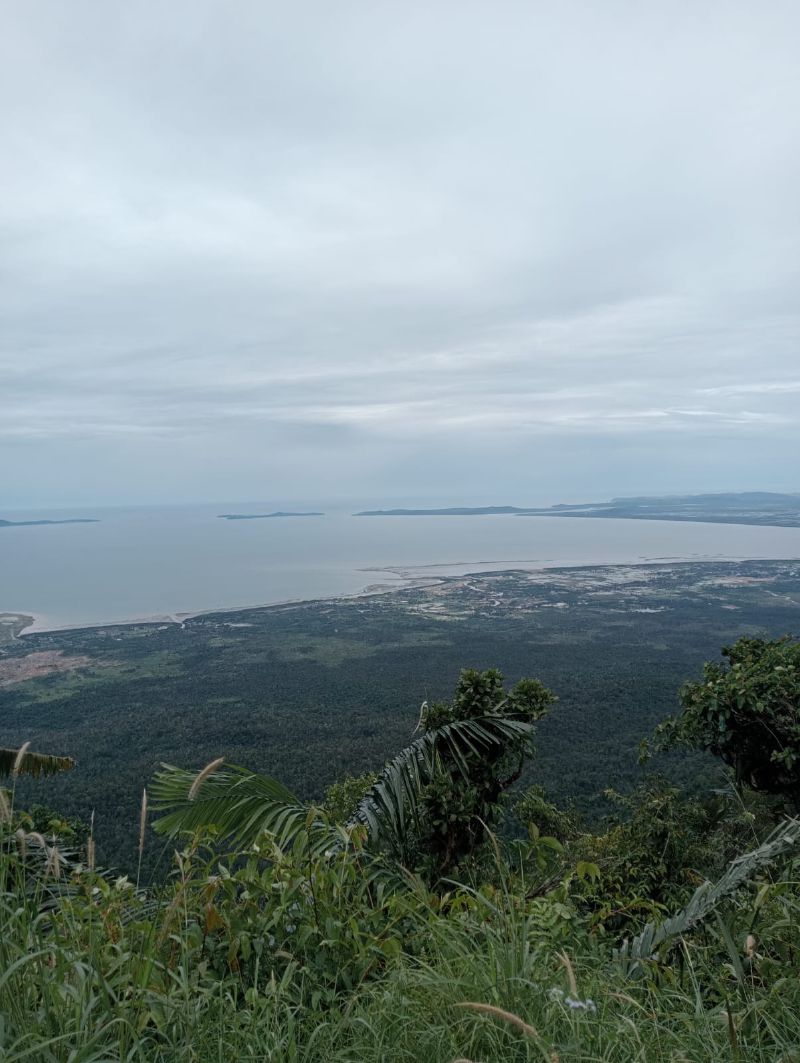
Rising 1,000 metres above the Gulf of Thailand, Bokor Mountain (Phnom Bokor) is a high plateau of mist, historic ruins, and cool forest air. Long before French engineers built on the mountain, Khmers called the peak Popok-Vil (“Where the Clouds Turn”), named for the sea mist that rolls off the coast and circles the summit. During early regional conflicts, the isolated plateau also served as a highland refuge.
In 1917, French Resident Superior François-Marius Baudoin began developing Bokor as a mountain health station where colonists could escape the heat of the plains.
Between 1917 and 1919, a workforce of 800 to 1,000 prisoners cut a 30-kilometre switchback road up through the jungle. On February 14, 1925, the French administration inaugurated Le Bokor Palace Hotel. The building was grand, cold, and expensive. Guests wore heavy wool clothing in the evening, and heavy mountain rains washed out access roads so frequently that the original operating company went bankrupt within five years.
The mountain also became a royal retreat and sacred site:
That resort era ended when the Khmer Rouge seized the plateau in 1972. They turned the 1920s Catholic church on the cliff edge into a fortified military stronghold, holding the mountain through two decades of fighting into the early 1990s. The church’s stone walls still show the bullet scars from those conflicts.
By the early 2000s, the military garrison had left and the plateau stood completely abandoned. For nearly a decade, Bokor became a famous ghost town of decaying colonial ruins. It drew urban explorers and film directors, serving as the eerie backdrop for Matt Dillon’s crime thriller City of Ghosts (2002) and the South Korean horror film R-Point (2004), before modern redevelopment began. For the complete story, read our in-depth article on the history of Bokor Hill Station.
The 30km drive from the park entrance gate to the plateau climbs through jungle road, where the mountain air turns noticeably colder and mist frequently covers the summit.
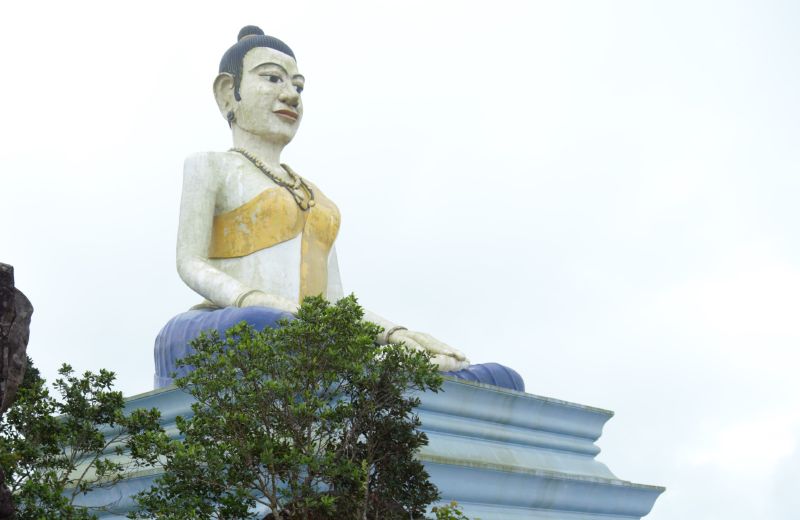
A 29-metre monument standing at the plateau’s edge. She is the spirit guardian of sailors, fishermen, and travelers along the coast. For her legend, see our guide to Lok Yeay Mao.
The Bokor Palace Hotel was the centerpiece of French colonial rule in Kampot. It entertained celebrities and royalty for almost 50 years, before succumbing to the wars that left it in ruins. Today, it’s been rebuilt once again.
The Old Catholic Church is a ruined 1920s stone church sitting directly on the cliff edge. It was the site of intense fighting during the civil war in the 1980s and 1990s.
Wat Sampov Pram Monastery is a historic Buddhist temple named for five boat-shaped rocks, offering sweeping views across the coast toward Phu Quoc Island. It’s also the tomb of Cambodian King Monivong.
The Black Palace contains the brick and wooden ruins of King Sihanouk’s 1960s summer residence.
Popokvil Waterfall is a two-tiered waterfall on the plateau that reaches full flow during the wet season.

Kampot, as locals see it.
There's more to Kampot than you expect.
Discover Kampot is made by people who live here. Read local stories, find somewhere new to go, or choose a local experience.
Further reading
Before Bokor became a colonial hill station, it was a mountain of local names, warnings, and stories: visible from Kampot, but still outside the world the French thought they understood.
The giant statue on Bokor Mountain has a name: Lok Yeay Mao, Kampot's guardian spirit. Her legends, shrines, and why she still watches over travellers today.
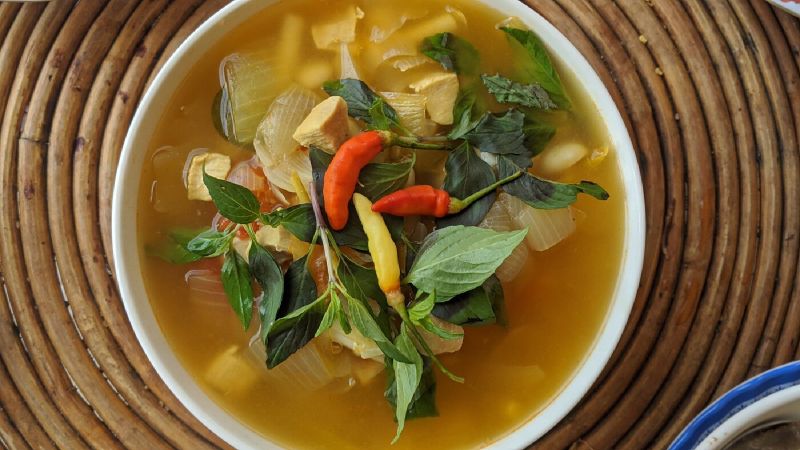
A local tour guide's favorite places to eat in Kampot, from the best breakfast spots and Khmer seafood to international restaurants and street food at Kampot Food Street.
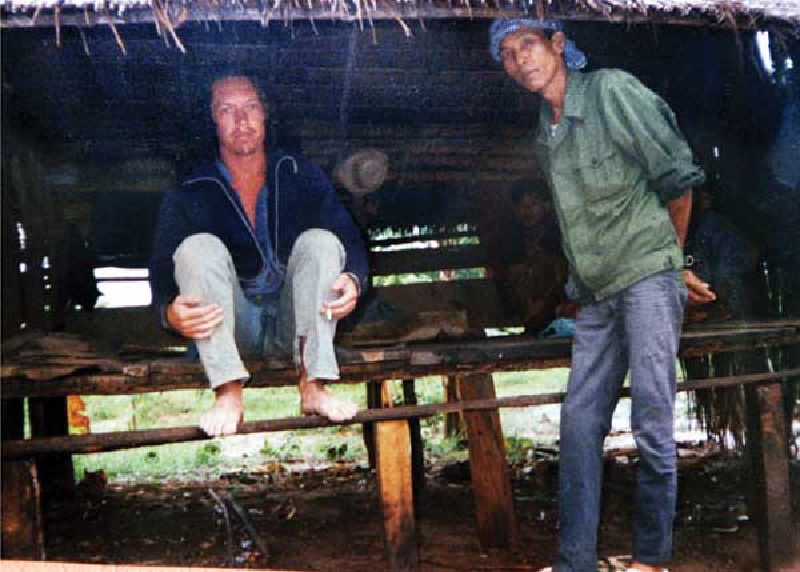
In July 1994, three backpackers took a train from Phnom Penh to Sihanoukville. It was a journey that would lead them into the heart of a Khmer Rouge stronghold in Kampot Province.
How do Cambodians know which chickens are theirs?
Chickens instinctively roost: they have a favourite safe spot where they spend the night. So, you don't need to keep track of your chickens. Every evening, about 30 minutes before sunset, they all come back home!
Ready to explore?
Tours, activities and local guides