Kampot Travel Guide: Local Advice for Your Trip
By Jason for Discover Kampot Last checked:

As a local guide, I hear the same questions from visitors all the time: what to do, where to go, and how to make the most of Kampot. I put this guide together to answer those questions and share my recommendations.
Kampot is a relaxed riverside town in southern Cambodia known for its surrounding countryside, pepper plantations, limestone caves, and colonial history. Most visitors stay 3 to 4 nights to combine countryside day trips with riverfront dining and outdoor activities.
| Travel Quick Facts | Details |
|---|---|
| Recommended Stay | 3 to 4 nights |
| Best Months | November through April (November is peak green season) |
| Key Highlights | Bokor Mountain, Pepper Farms, Salt Fields, Caves, River Cruises |
| Transport | ~3 hours from Phnom Penh by bus, minivan, or private taxi |
What Is Kampot?
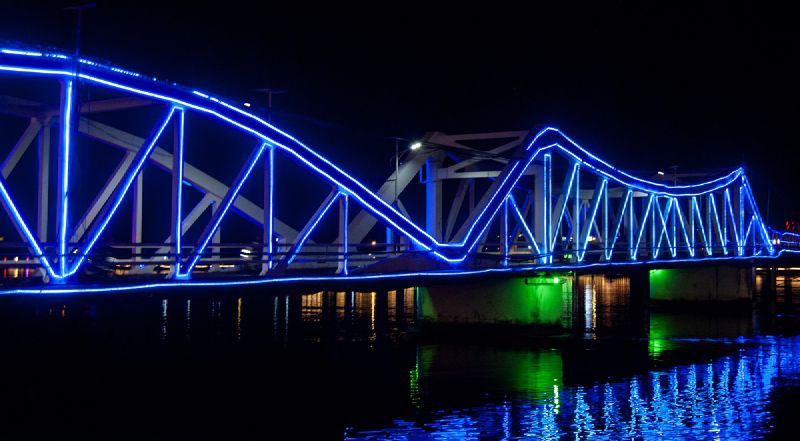
Kampot has always been a sleepy little riverside town, and it holds on to those roots. It is not a city with major attractions or must-see sites. Instead, it is a town about the countryside that surrounds it. It is a place where you settle in, get comfortable, and head out to explore the pepper farms, the salt fields, the mountains, the rivers, the waterfalls, and the caves. How the town itself came to be, rebuilt from a ruined port into the riverfront that still stands today, is told in The Man Who Built Kampot. This is a guide to what to see in the region and how to get out there.

How Long Should You Stay?
Most people budget two nights and wish they had booked three. One full day works if you are passing through, but it turns the place into a checklist.
Three nights gives you the core sights without rushing. Four nights is probably ideal: you get to cover the highlights and still have time for a day trip or two out into the countryside.
For the full breakdown, read How Long Should You Stay in Kampot?
When Should You Visit?
The dry season, November through April, is when most visitors come. Most are here for the beach and island life, and for that the dry season is best. But Kampot is not about that.
The wet season has a reputation it does not quite deserve. Kampot is a countryside experience, and the rainy season is when the countryside is at its most beautiful: the rice fields are full and green, the fruit is out, the waterfalls are at their best, and the whole of Cambodia comes alive in a way the dry season never matches. The rain is mostly an evening event, and it gives you warning before it arrives.

November is probably the best month to visit: the rains have stopped but the countryside is still green from the wet season.
For the full seasonal guide, read Best Time to Visit Kampot.
What Should You Do?
Most of what people come to Kampot for happens outside town. There is a grand tour of the countryside that takes in the major attractions in a single day: pepper farms, salt fields, cave temples, and more. Most tuk-tuk drivers offer their own version of it. Sa Tuk-Tuk Tours is a reliable local guide who runs one of the best.
Bokor Mountain is the region’s most dramatic day trip: an abandoned French hill station, fog, and a view down to the coast on a clear morning. Kampong Trach is less visited and worth more than people give it: limestone hills, pre-Angkorian cave temples, quiet rural roads, and traditional villages with fields full of water buffalo.
For coast and seafood, Kep is thirty minutes away, and the ferry to Koh Tonsay runs from there. For something more active, Kampot has more than most people expect. Kayaking the Green Cathedral takes you through narrow canals of mangroves and nipa palms. Rock climbing in the limestone hills gives you access to parts of the landscape most visitors never see. And kiteboarding runs out of the Kampong Bay estuary, with conditions that work for beginners and experienced riders alike. For something more relaxed, sunset cruises run most evenings.
For everything in one place, browse the full directory of things to do in Kampot, with practical notes on how to get to each place and what to combine. And if you want to get beyond the standard itinerary, the alternatives guide covers the places most visitors never find.

Where Should You Eat?
The question I get asked more than any other. Kampot has more places to eat than you can keep track of, with cuisines from all over the world and so many options it can be genuinely hard to choose.
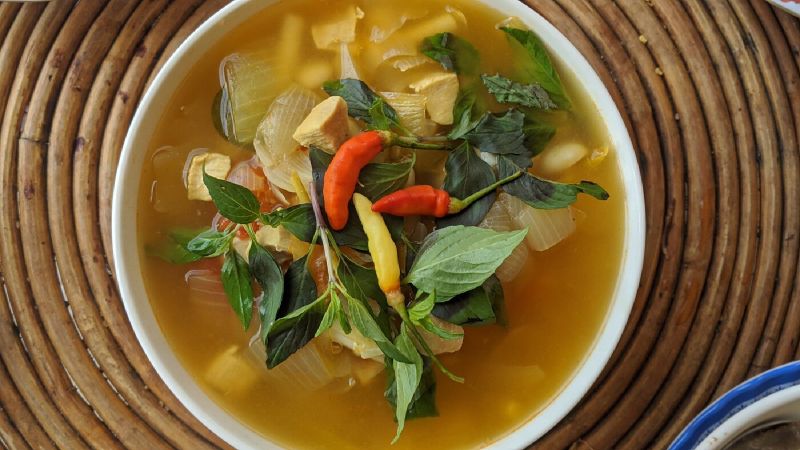
For the full guide, including the best breakfast spots, Khmer restaurants, and street food, read Where to Eat in Kampot. Nom Banchuck is one of Cambodia’s most traditional dishes, dating back to the Khmer Empire and with a cool legend behind it. Read Nom Banchuck in Kampot before you try it.
If you are vegetarian or vegan, Kampot is easier than most of Cambodia. Read Kampot for Vegetarians for the best restaurants and the Khmer phrases that will actually get you a meat-free meal.

How Do You Get Here?
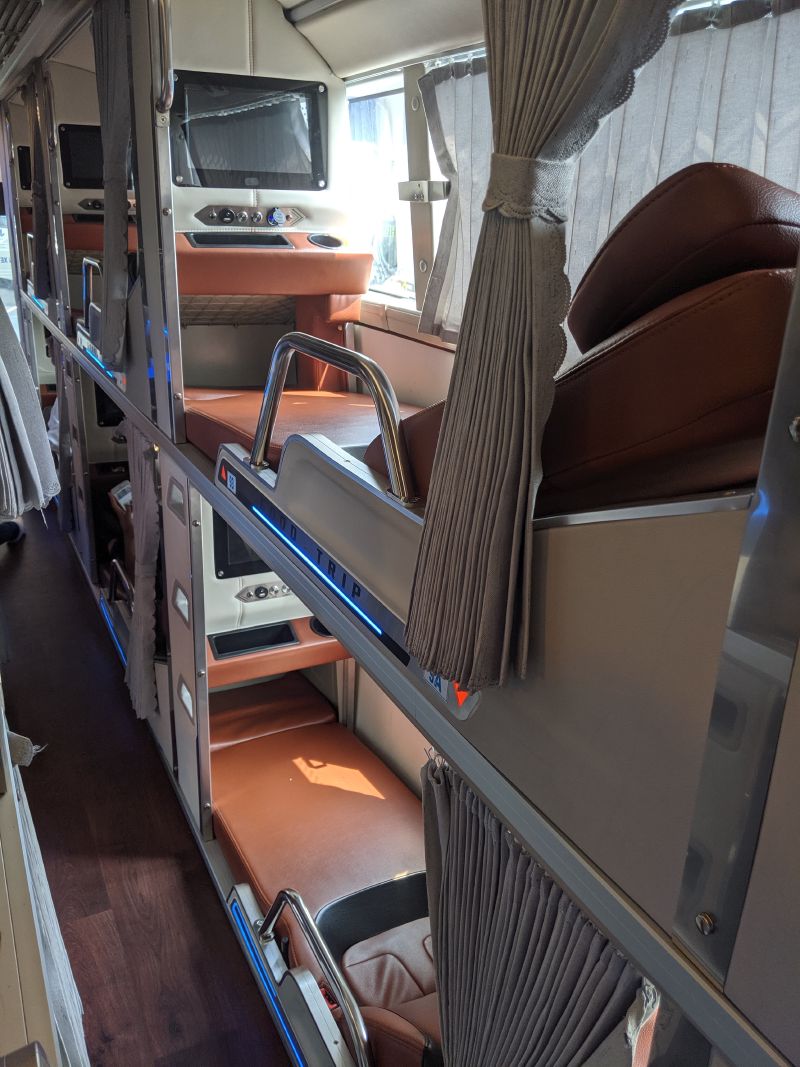
Kampot is about three hours from Phnom Penh by bus, minivan, or private taxi. From Sihanoukville, the road is awful; the train is more comfortable than the drive.
Since 2026 there is a direct ferry from the islands that skips Sihanoukville entirely, which is worth knowing about if you are coming from Koh Rong or the coast.
For the full transport guide with prices, times, and which options are worth it, read How to Get to Kampot.
Book Local Experiences Direct
One of the quirks of Kampot is that most of what makes it worth visiting is outside town. Unless you are comfortable on a motorbike, you need a tuk-tuk or driver to get you out there. Here are some of the best local guides and tours.
The Local Partners Directory links directly to local operators: the walking tour, countryside cycling, the Kampong Trach tour, the Bay Boat eco cruise, and cooking classes at Eco Lotus and Lucky Kitchen.
Book a Tour With Me Directly
My tours specialise in Cambodian culture: away from the tourist trail and into the places, people, and everyday life that most visitors never get to see. See the full lineup on Jason’s Tours, including the sunset walking tour, the countryside bicycle tour, and the salt field community tour.
Further reading How long to spend in Kampot, from one day passing through to a week of side roads, local spots, and not wanting to leave. How to get to Kampot from Phnom Penh, Sihanoukville, Koh Rong, Kep, Siem Reap, and the Vietnam border. A local tour guide's favorite places to eat in Kampot, from the best breakfast spots and Khmer seafood to international restaurants and street food at Kampot Food Street. Where to get a haircut, buy a SIM, change money, catch a tuk-tuk, or rent a motorbike in Kampot. Personal picks, not a full directory. Pharmacies, clinics, a dentist, and which hospital to head for in a real emergency in Kampot. A reading list for understanding Cambodia and the Khmer Rouge, from David Chandler's history to survivor memoirs and the In the Shadows of Utopia podcast.How Long Should You Stay in Kampot?
How to Get to Kampot
Where to Eat in Kampot: Best Breakfast, Restaurants, and Street Food
Kampot Basics: Money, Mobile, Motorbikes
Medical Care in Kampot
Books About Cambodia: Where to Start Reading