
Books About Cambodia: Where to Start Reading
By Jason for Discover Kampot

Most people arrive in Cambodia knowing two things about it: Angkor Wat and the Khmer Rouge. They visit Tuol Sleng or the killing fields at Choeung Ek, walk out shaken, and want to understand what happened.
The story of Cambodia is a complex one, and a lot has been written about it. These are what I consider to be the best books on Cambodian history.
The complete history
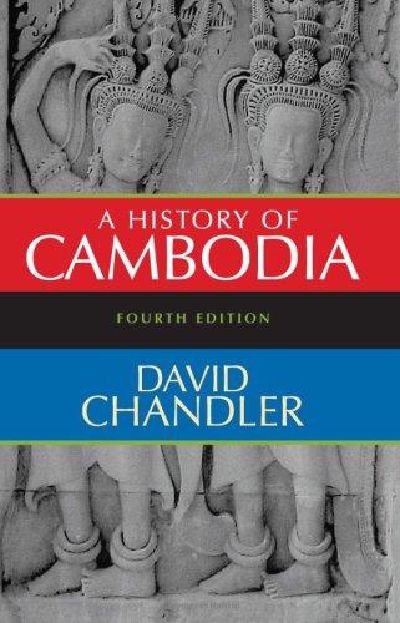
A History of Cambodia
For the whole history of Cambodia, there’s no better book than David Chandler’s A History of Cambodia. It is the most complete single-volume account there is, running from before Angkor through to the modern period.
From prehistory through to the modern Hun Sen government, Chandler takes you through the entire history. He is a historian, and the book can feel like a textbook, detailing events in sometimes excruciating detail. He spends only a chapter on the Khmer Rouge, so his Pol Pot biography is the better choice if you want to focus on that.
But if you want the whole picture, this is where you will find it.
The Khmer Rouge years
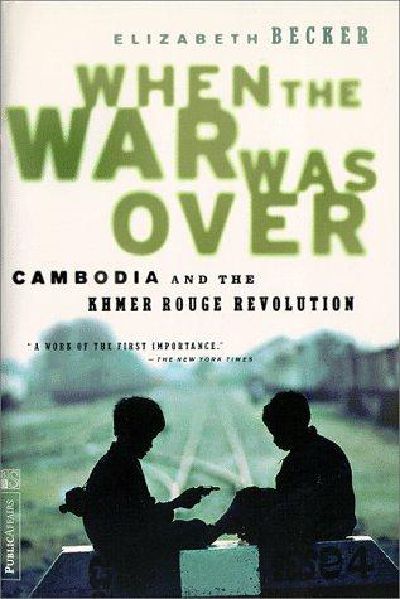
When the War Was Over
If you only read one book on the Khmer Rouge, I’d suggest Elizabeth Becker’s When the War Was Over.
Becker reported heavily on both the Vietnam War and Cambodia, and during the Khmer Rouge regime she was invited to visit the country in 1978, becoming one of the only Westerners to meet Pol Pot while he was in power.
What sets it apart is that she does not only tell the history, which on this subject can get very political and very dense. She breaks it up with stories of individuals, drawn from her own interviews and from the confessions held in the S-21 archives. That human dimension is what makes it not just informative but adds a humanity that other history books often lack.
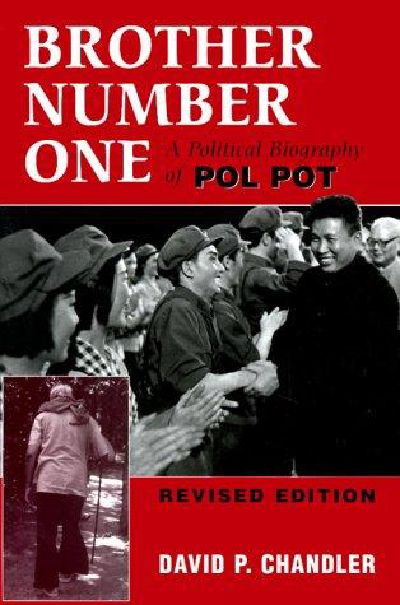
Brother Number One
David Chandler’s Brother Number One is the reference. Chandler is the leading historian of Cambodia, and this was the first real biography of Pol Pot. It tells the story of his rise to power, along with the history and politics that led to the genocide. Chandler writes as a historian, and the writing can be slow, but this is still one of the best historical books on the era.
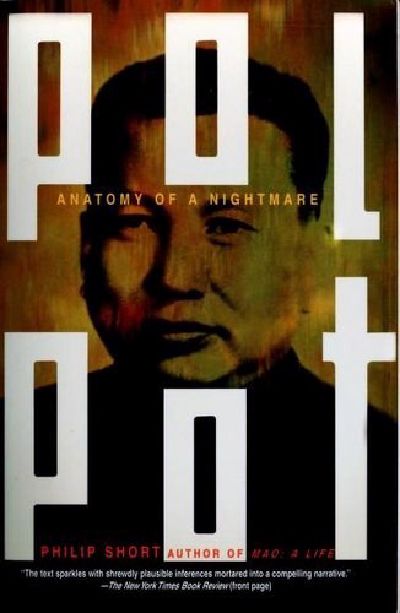
Pol Pot: Anatomy of a Nightmare
Philip Short’s Pol Pot: Anatomy of a Nightmare is the easier read than Chandler’s biography. Short has written biographies of Mao and Putin, his research is impeccable, and his writing is exceptional, making an enjoyable read of otherwise difficult material.
The survivor accounts
Many survivors have told their stories. They often lack the historical, high-level understanding of what happened, but they bring you the actual experience of what it was like to live through the regime.
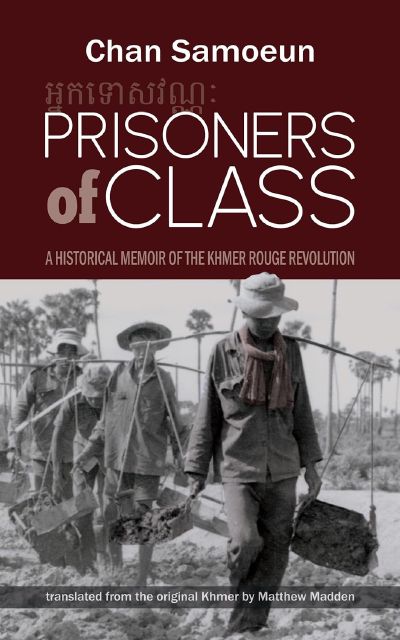
Prisoners of Class
The one I point people to first is Chan Samoeun’s Prisoners of Class, in my opinion one of the great works of Cambodian literature. Chan wrote it as a personal journal in 1979, months after the regime fell, with no thought of publishing. That makes it one of the earliest firsthand records of life under the Khmer Rouge, and one of the rawest. Chan is also a skilled writer, turning to poetry in the moments when prose will not do. I gave it a full review of Prisoners of Class of its own.
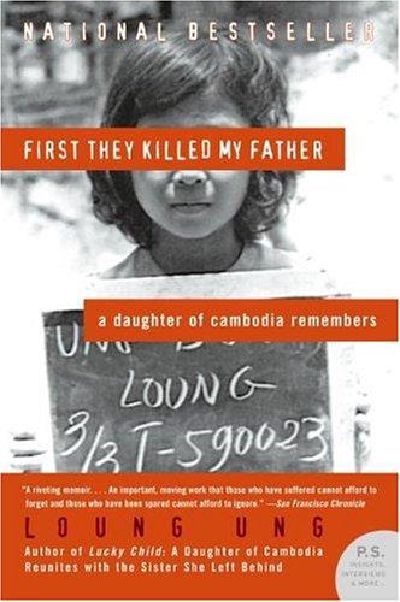
First They Killed My Father
Loung Ung’s First They Killed My Father is the best known, partly because Angelina Jolie filmed it. Ung was five when the Khmer Rouge emptied Phnom Penh, and the book follows her from a comfortable city childhood through the loss of her family to training as a child soldier, all before she turned ten. The prose is raw and fragmented in the way a child’s memory of trauma actually is, and that is the source of its power. It is a memoir rather than a history, and its power is exactly that: the genocide seen through the eyes of a child who lived it.
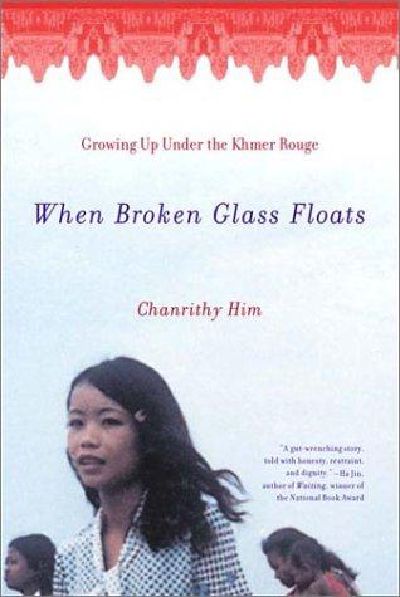
When Broken Glass Floats
Chanrithy Him’s When Broken Glass Floats covers similar ground and deserves to be read just as widely. Chanrithy was a little older, and her account of being marched from her home to the rural labour camps is quieter and more controlled than Ung’s, and it won the Oregon Book Award. What stays with most readers is the family holding together under conditions designed to pull it apart. Chanrithy later worked as a research associate on the Khmer Adolescent Project, a major study of post-traumatic stress in young survivors of the Khmer Rouge.
If you would rather listen
In the Shadows of Utopia
There are a few podcasts with episodes on the Khmer Rouge, and most oversimplify the period or fixate on the shocking events.
In the Shadows of Utopia is the exception. It is produced by Lachlan Peters, who studied conflict and genocide at university, where David Chandler was one of his professors. It does not start in 1975, but goes back to the Khmer Empire and works forward, on the sound principle that you cannot understand what the Khmer Rouge did without first understanding Cambodian history and how Cambodians see the world. Only then do the motivations and the reasoning behind the horror start to make sense.
The sourcing is careful and Peters does not shy away from the hard parts. He regularly includes guests such as Elizabeth Becker and David Chandler and other experts in the field.
The Khmer Rouge story also reached Kampot directly. I have written about the 1994 train ambush and hostage crisis at Phnom Voar in three parts: the kidnapping, the standoff, and the trials that followed.
In Kampot, you can grab a coffee and pick up a book at The Bookish.
Further reading
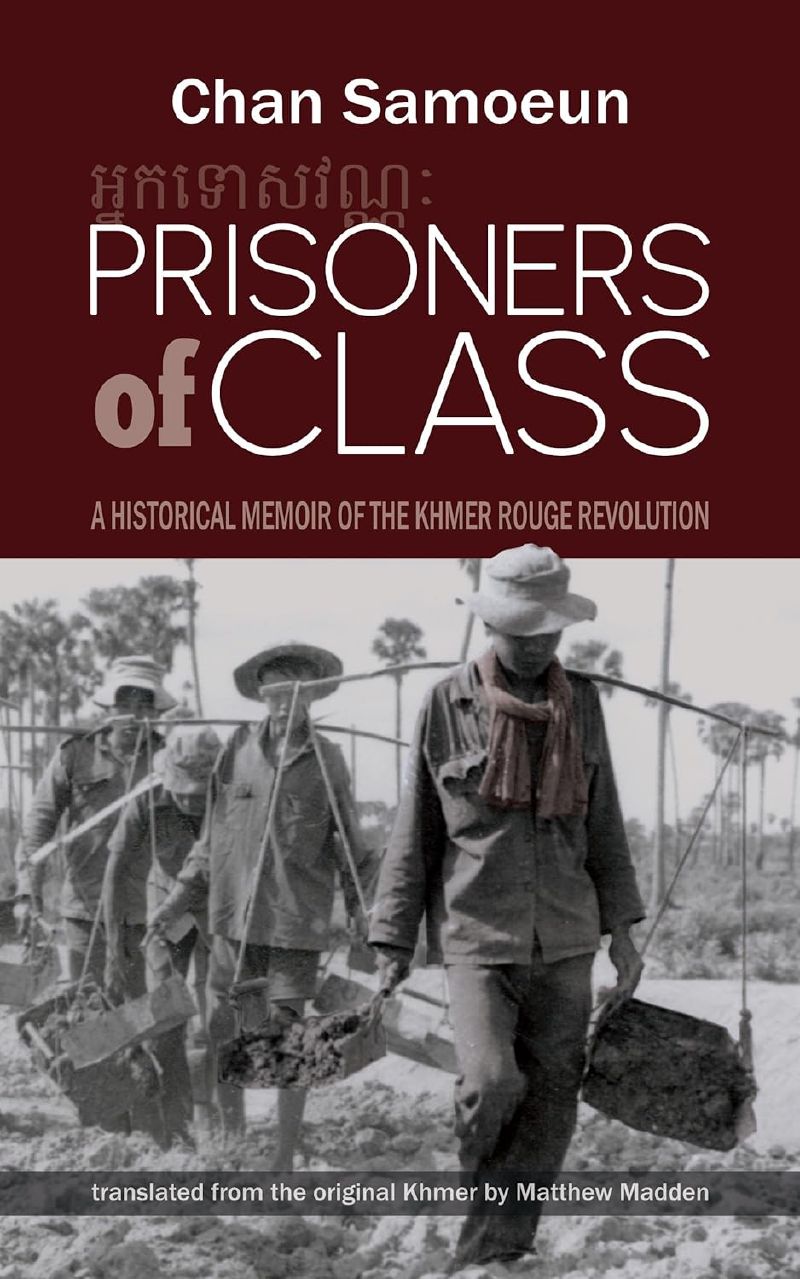
Prisoners of Class: A Khmer Rouge Survivor Memoir
A review of Prisoners of Class, Chan Samoeum’s firsthand Khmer Rouge memoir and one of the most important survivor accounts from Cambodia.
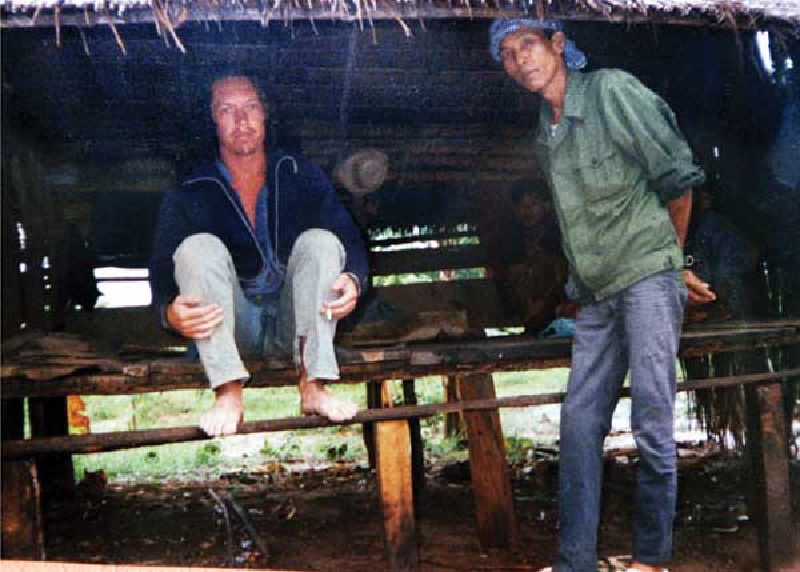
Kidnapped by the Khmer Rouge: The 1994 Kampot Train Attack
In July 1994, three backpackers took a train from Phnom Penh to Sihanoukville. It was a journey that would lead them into the heart of a Khmer Rouge stronghold in Kampot Province.
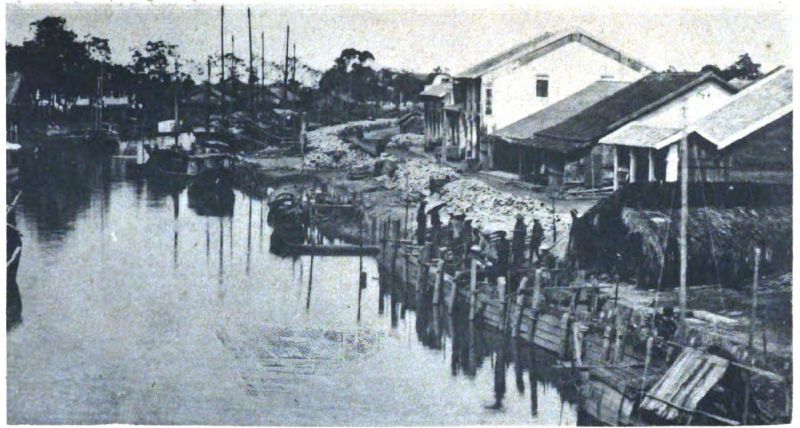
The Massacre of Rạch Giá
On the morning of June 17th, 1868, a Chinese cattle merchant was travelling from Châu Đốc along a canal to Rạch Giá, a small port on the Gulf of Siam just south of the Cambodian border. The port was originally founded by Chinese settlers and had been occupied by the French just the year before.